


 Send Inquiry
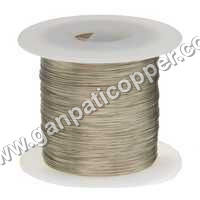
Nichrome Wire
1800 INR/Kilograms
Product Details:
- Fabrication Process Drawing and Annealing
- Cross Dimension Round
- Corrosion Resistant Yes
- Length Standard Coils or as required
- Size 0.1 mm to 5 mm (Diameter Range)
- Diameter As per requirement
- Outer Diameter Varies
- Click to View more
X
Nichrome Wire Price And Quantity
- 50 Kilograms
- 1800 INR/Kilograms
- 1.10-1.18 m at 20C
- Yes
- Low electrical conductivity
- 16 106/C
- 8.4 g/cm3
- On spool or coil
- RoHS Compliant
- 1400C
- Up to 1200C
Nichrome Wire Product Specifications
- 0.1 mm to 5 mm
- Bright/Oxidized
- Soft
- Nickel Chromium
- Nichrome
- Silvery Grey
- Wire
- Varies
- High Electrical Resistance, Heat Resistant, Corrosion Resistant
- Electrical Heating Elements, Resistors
- Oxidized
- Moderate
- NiCr8020
- Round
- Yes
- High
- Customized
- Nichrome 80/20
- Drawing and Annealing
- 0.1 mm to 5 mm (Diameter Range)
- As per requirement
- Standard Coils or as required
- 1.10-1.18 m at 20C
- Yes
- Low electrical conductivity
- 16 106/C
- 8.4 g/cm3
- On spool or coil
- RoHS Compliant
- 1400C
- Up to 1200C
Nichrome Wire Trade Information
- Per Week
- 5 Days
Product Description
Nichrome Wire is an alloyed strand that is produced by using nickel and chromium that offers high corrosion resistance, electrical resistivity, and high melting point. It is commonly used for the manufacturing of resistance wires that can be used in electrical appliances such as space heaters, toasters, and many more. Nichrome Wire manufactured and supplied by us can be delivered to our customers as per the order placed by them with an assurance of fast and safe delivery.
Technical Specification
|
Packaging Type |
Roll |
|
Usage |
Construction |
|
Diameter |
2-10 mm |
|
Material |
Nichrome |
|
Length |
100-500 meter |
Exceptional Heat and Corrosion Resistance
Nichrome 80/20 wire excels in environments demanding high heat and chemical resilience. Its ability to withstand temperatures up to 1200C and resist oxidation makes it a favorite for industrial heating systems, laboratory equipment, and resistor applications. The robust nickel-chromium alloy construction ensures long-term stability and performance.
Flexible Manufacturing and Applications
Available in various diameters and lengths, Nichrome wire is tailored through precision drawing and annealing processes. Typical uses range from heating elements in toasters and furnaces to precision resistors in electronics. Custom dimensions and finishes cater to both bespoke engineering needs and large-scale production.
FAQs of Nichrome Wire:
Q: How is Nichrome wire commonly used in industrial and electrical applications?
A: Nichrome wire is widely used as a heating element in appliances such as toasters, ovens, furnaces, and hot plates due to its high heat and corrosion resistance. It is also suitable for making resistors in electronic circuits and can be found in laboratory and testing equipment.Q: What benefits does Nichrome 80/20 wire offer compared to other heating element materials?
A: Nichrome 80/20 wire offers excellent oxidation resistance, a high maximum operating temperature of 1200C, and superior durability compared to many other alloys. These properties ensure long service life and reliability, especially in applications involving repeated heating and cooling cycles.Q: When should I choose oxidized or bright Nichrome wire for my application?
A: The choice between oxidized and bright Nichrome wire depends on your specific application. Oxidized wire provides better surface protection and is suitable for high-temperature environments, while bright wire is preferred when appearance and cleanliness are important, or for applications requiring easy soldering.Q: Where can Nichrome wire be sourced and in what packaging forms?
A: Nichrome wire is available from exporters, manufacturers, suppliers, and traders across India. It can be supplied on spools or in coil form, and customized packaging is offered to meet client requirements.Q: What is the fabrication process for producing Nichrome wire?
A: Nichrome wire is fabricated through a drawing and annealing process. The alloy is first drawn into the desired diameter, then annealed to achieve the required softness, strength, and temper. This ensures consistent mechanical and electrical properties throughout the wire.Q: How does the soft temper of Nichrome wire benefit its usage?
A: The soft temper of Nichrome wire allows for easy shaping and installation into various heating element or resistor forms without cracking or breaking. This flexibility is valuable during assembly and maintenance of electrical or industrial equipment.Q: What makes Nichrome wire suitable for high-temperature and corrosive environments?
A: Its high nickel and chromium content gives Nichrome wire excellent resistance to oxidation and corrosion, making it reliable for prolonged use in extreme temperatures, up to 1200C, and chemically aggressive environments.Tell us about your requirement

Price:
Quantity
Select Unit
- 50
- 100
- 200
- 250
- 500
- 1000+
Additional detail
Mobile number
Email

Other Products in 'Aluminium Wires' category


GANPATI ENGINEERING INDUSTRIES
GST : 08AABFG6654R1ZQ
GST : 08AABFG6654R1ZQ

- C-27, Bais Godam Industrial Estate, Bais Godam, Jaipur - 302006, Rajasthan, India
- Phone : 08045802792

- Mr Anup Gupta (Partner)
- Mobile : 08045802792
- ganpati@ganpatiwires.com

 Send Inquiry
 Send SMS
 Call Me Free
GANPATI ENGINEERING INDUSTRIES
All Rights Reserved.(Terms of Use)
Developed and Managed by Infocom Network Private Limited.
Developed and Managed by Infocom Network Private Limited.

